
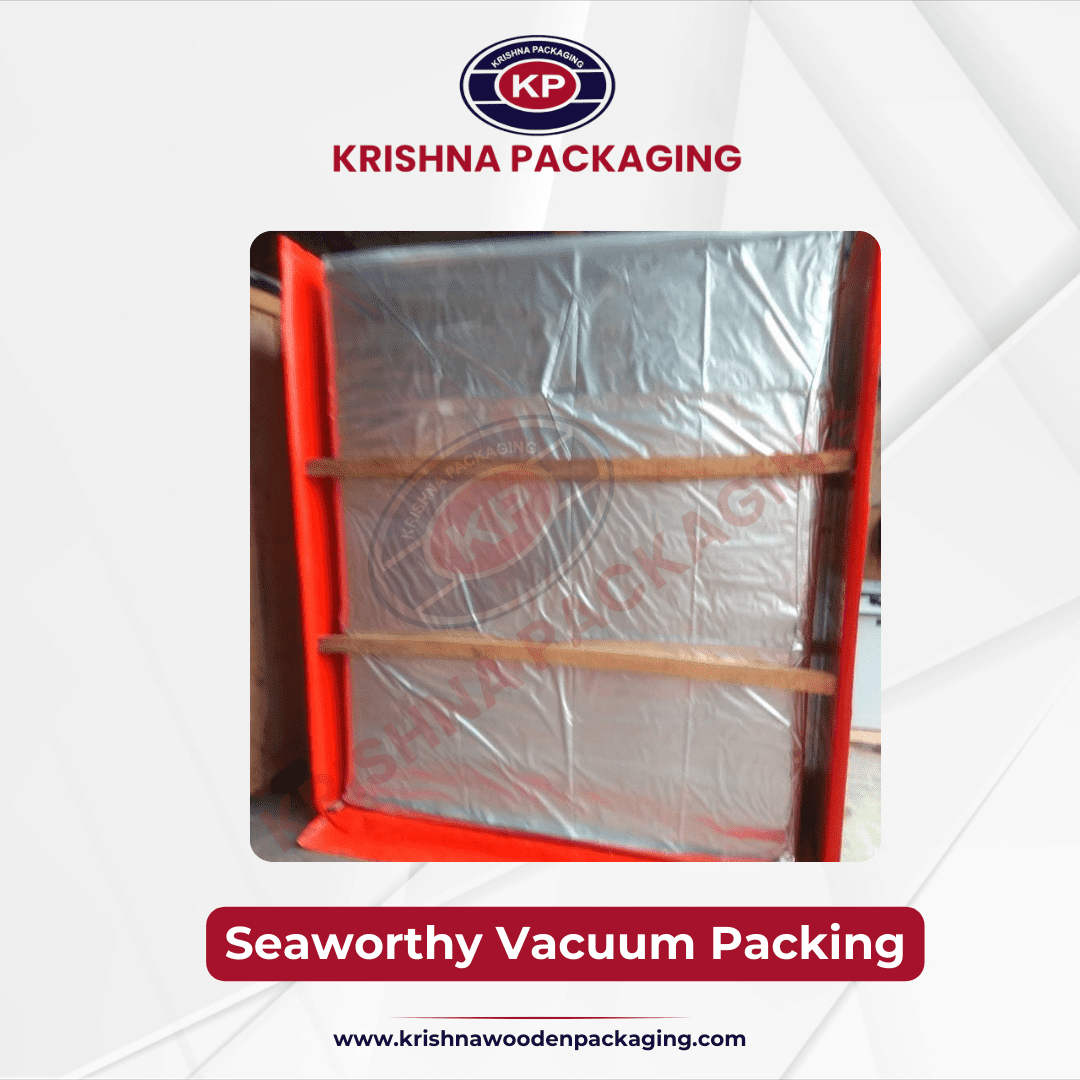
Seaworthy Vacuum Packing
Seaworthy vacuum packing is a specialized packaging method designed to protect goods during sea transportation. This technique involves the use of vacuum-sealed packaging to create an airtight environment, safeguarding products from moisture, corrosion, and other environmental factors that can be encountered during long sea voyages. Here are some key features and benefits of seaworthy vacuum packing:
Features:
Airtight Seal: Vacuum packing removes air from the package, creating an airtight seal that prevents the ingress of moisture, salt, and other contaminants.
Barrier Materials: Utilizes high-quality barrier materials, such as aluminum foil and polyethylene, to enhance protection against environmental factors.
Custom Fit: Packaging is tailored to fit the specific dimensions and shapes of the products, ensuring maximum protection and efficient use of space.
Desiccants and VCI: Often includes desiccants and vapor corrosion inhibitors (VCI) to absorb any remaining moisture and prevent corrosion.
Robust Construction: Designed to withstand the rigors of sea transportation, including handling, stacking, and exposure to harsh conditions.
Benefits
Moisture Protection: Seaworthy vacuum packing is highly effective at preventing moisture ingress, protecting goods from rust, corrosion, and mold.
Extended Shelf Life: The airtight environment helps to preserve the quality and integrity of products over extended periods, which is particularly beneficial for long sea journeys.
Cost Savings: By reducing the risk of damage during transit, this packing method can lead to significant cost savings by minimizing product losses and the need for replacements.
Compliance: Meets international shipping standards and regulations, ensuring that goods arrive at their destination in compliance with legal requirements.
Versatility: Suitable for a wide range of products, including machinery, electronics, metals, pharmaceuticals, and food items.
Applications
Machinery and Equipment: Ideal for packing large and complex machinery and equipment that require protection from corrosion and damage during sea transport.
Electronics: Provides a protective barrier for sensitive electronic components and devices, preventing damage from moisture and salt.
Metals and Alloys: Prevents rust and corrosion on metal parts and components, ensuring they arrive in good condition.
Food Products: Maintains the freshness and quality of food items during long-distance shipping, preventing spoilage and contamination.