
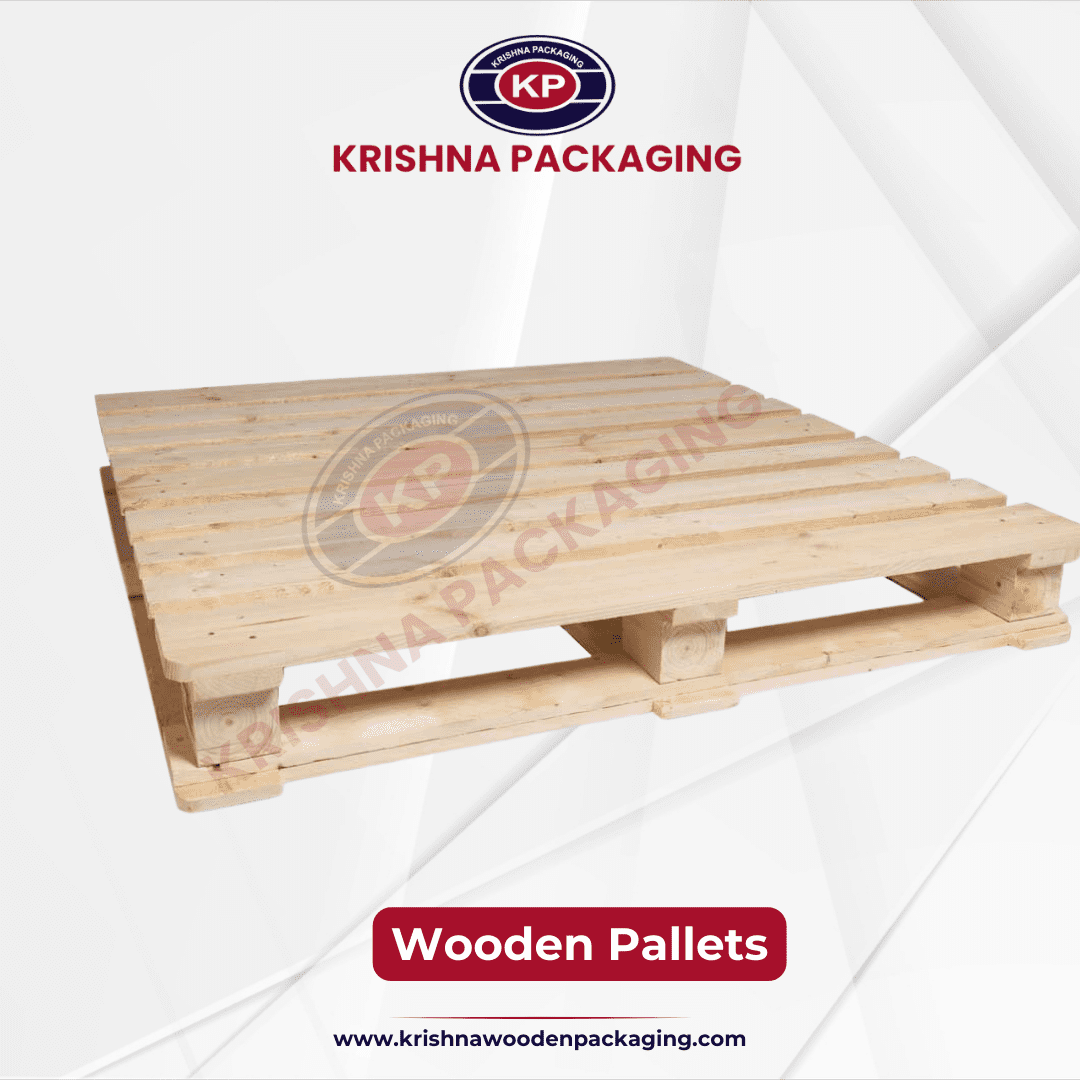
Wooden Pallets
Wooden pallets are flat transport structures that support goods in a stable fashion while being lifted by a forklift, pallet jack, front loader, or other jacking devices. They are essential in logistics and supply chain management, facilitating the efficient handling, storage, and transportation of goods.
Features:
Standard Sizes: Wooden pallets come in standard sizes (e.g., 48" x 40" for North American pallets) but can also be custom-built to specific dimensions.
Durability: Made from strong wood materials like oak, pine, or plywood, providing the necessary support for heavy loads.
Versatility: Suitable for a wide range of goods, from perishable items to industrial equipment.
Ease of Handling: Designed for compatibility with forklifts and pallet jacks, allowing for easy lifting and movement.
Reusable: Can be used multiple times, with the ability to be repaired if damaged.
Ventilation: Some designs incorporate spaces between boards for air circulation, which is beneficial for certain types of goods.
Benefits:
Cost-Effective: While there is an initial investment, their reusability and durability offer cost savings over time.
Eco-Friendly: Made from renewable resources and can be recycled or repurposed at the end of their lifecycle.
Efficient Storage: Facilitates stacking and efficient use of warehouse space, optimizing storage capacity.
Protection: Provides a stable base for goods, reducing the risk of damage during transport.
Global Standardization: Widely used and accepted globally, simplifying international shipping and logistics.
Applications:
Warehousing: Used to store goods in warehouses efficiently.
Transportation: Essential for moving goods in trucks, ships, and planes.
Retail: Used for displaying products in stores and for logistics in supply chains.
Manufacturing: Integral in moving raw materials and finished products within manufacturing facilities.
Agriculture: Transporting produce and other agricultural products.